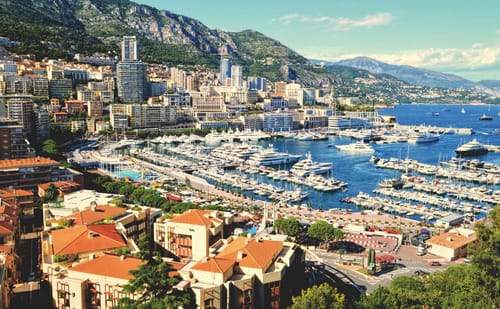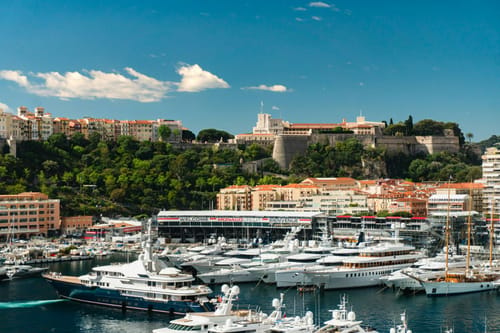
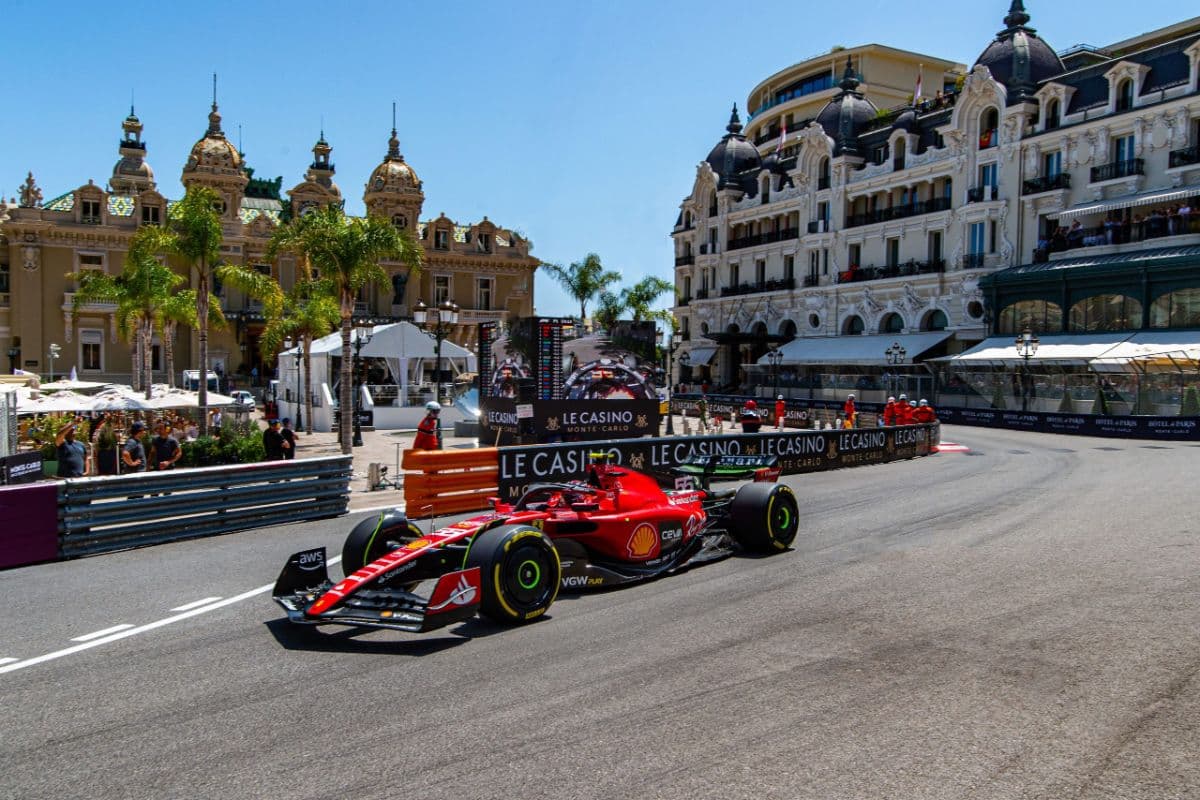
Monaco’s real estate market is one of the most discussed — and simultaneously one of the most misunderstood — property markets globally.
Its visibility attracts strong narratives: taxation, exclusivity, trophy assets, and entry barriers. Yet, these narratives often simplify a market that is far more nuanced in structure and behaviour.
Below are several “hot takes” that reflect a more grounded reading of the market.
“Monaco is only about tax optimization”
This is one of the most common misconceptions.
While Monaco’s fiscal framework is undeniably part of its attractiveness, it is rarely the sole or even primary driver for long-term residents and investors.
In practice, decisions are typically anchored in broader considerations:
political and economic stability
personal and financial security
long-term capital preservation
international connectivity
quality of life and environment
Tax efficiency is a component — not the thesis.
“Buying in Monaco automatically grants residency”
Real estate ownership and residency are often incorrectly conflated.
They are, in fact, entirely separate frameworks.
Buying property in Monaco does not grant residency rights
Residency is subject to administrative approval and eligibility criteria
One can own property without residing in the Principality
One can also reside in Monaco without owning property
Understanding this distinction is fundamental when structuring a relocation or investment strategy.
“Renting in Monaco is irrational if you can buy”
Renting is frequently misunderstood as a temporary or inferior step.
In reality, it often serves a strategic function.
Given the constrained and highly granular nature of the market, renting allows:
flexibility in timing
access to specific buildings when purchase opportunities are limited
testing of micro-locations and lifestyle fit
preservation of liquidity while monitoring off-market opportunities
In Monaco, renting is often part of a deliberate entry strategy rather than a compromise.
“Monaco is only trophy assets and ultra-prime penthouses”
The most visible segment of the market is not representative of its full structure.
While trophy assets exist and attract global attention, they sit within a broader ecosystem that also includes:
well-located functional apartments
renovation and repositioning opportunities
investment-driven acquisitions
secondary residences and pied-à-terre units
The market is highly compressed, but not uniform.
Understanding this internal stratification is key to identifying value.
“The market is too small to offer real opportunity”
Monaco is defined by scarcity — both in geography and inventory.
However, scarcity does not eliminate opportunity; it concentrates it.
In such an environment, traditional metrics of opportunity are less relevant than:
access to information
timing of acquisition
relationship-driven deal flow
understanding of building-level dynamics
The market rewards proximity and knowledge, not volume.
“All agencies operate at the same level”
This assumption overlooks one of the most important variables in Monaco: access.
Real differences between agencies are often structural rather than visible:
access to off-market inventory
strength and depth of buyer networks
negotiation capability and positioning
level of advisory versus transactional execution
long-term market intelligence
In a constrained market, representation can materially influence outcomes.
“Price per square metre defines value”
Price per square metre is a reference point — not a valuation method.
In Monaco, two properties with similar pricing can have entirely different fundamentals.
Key value drivers include:
building reputation and quality
floor level and exposure
view corridors and orientation
renovation quality and layout efficiency
liquidity and resale dynamics
Micro-location and qualitative attributes ultimately determine performance.
Final perspective
Monaco is not a homogeneous luxury market.
It is a highly segmented ecosystem where nuance consistently drives value creation.
What appears uniform at surface level often conceals significant divergence in quality, liquidity, and long-term performance.
In such an environment, outcomes are rarely determined by visibility — but by depth of understanding.